
What Animals Eat Scorpions?
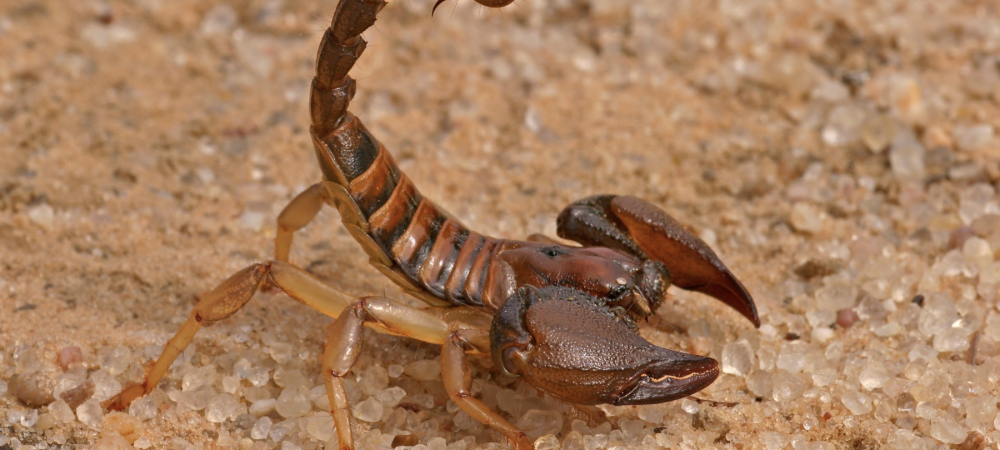
Scorpions are eaten by a variety of animals, including owls, lizards, mammals, spiders, centipedes, and other scorpions. The predators that hunt them depend on the scorpion species, its habitat, and the animals living nearby. Some predators have developed specific adaptations that help them handle a scorpion's defenses, while others consume them opportunistically.
If you've ever wondered what animals can eat a scorpion despite its venomous tail, understanding these natural predator relationships offers a closer look at how scorpions fit into the ecosystem.
1. Owls
Owls are among the birds known to eat scorpions, particularly species that hunt in desert environments. Elf owls and burrowing owls are documented scorpion predators, and their nighttime activity overlaps with the period when many scorpions are active.
How Do Owls Hunt Scorpions?
Many scorpions are nocturnal, meaning they are most active at night. This creates opportunities for nocturnal birds to encounter them while searching for food.
Owls use their senses and hunting skills to locate prey, but not every owl species regularly eats scorpions. Their diet depends on the species and the available food in their habitat.
2. Grasshopper Mice
Grasshopper mice are small, carnivorous rodents that are particularly interesting scorpion predators. The southern grasshopper mouse, for example, is known to prey on Arizona bark scorpions. Research has found that this mouse has adaptations in its pain-sensing system that reduce the pain caused by the scorpion's venom.
How Do Grasshopper Mice Handle Scorpion Venom?
Arizona bark scorpion venom contains toxins that affect pain-signaling pathways. In grasshopper mice, a change in a specific sodium channel involved in pain signaling helps make the venom's effect less painful, rather than producing the typical pain response seen in other animals.
This adaptation gives grasshopper mice an unusual advantage when hunting bark scorpions. However, it is important to distinguish reduced pain sensitivity from complete immunity to every effect of venom. The mouse's adaptation is specifically documented in relation to Arizona bark scorpion venom.
3. Lizards
Various lizard species eat scorpions, making reptiles another group of natural predators. Lizards and scorpions often share warm, dry habitats, although scorpion predation is not limited to desert environments.
Which Lizards Eat Scorpions?
Some documented examples include:
-
Whiptail lizards: Certain whiptail species consume scorpions.
-
Geckos: Western banded geckos have been documented as predators of bark scorpions.
-
Other lizards: A variety of lizard species may eat scorpions depending on their size, diet, and local food availability.
Lizards use different hunting techniques to capture prey. Some rely on quick movements and physical handling to subdue scorpions before eating them. The specific method depends on the lizard species and the scorpion it encounters.
4. Shrews
Shrews are small insect-eating mammals that can also prey on scorpions. They have fast metabolisms and consume a variety of invertebrates, which can include scorpions. Desert shrews are among the mammals documented in research on scorpion predators.
Do Shrews Have Special Protection Against Scorpion Stings?
Unlike the well-documented venom-related adaptations of grasshopper mice, shrews should not be assumed to have universal immunity to scorpion venom. Their ability to prey on scorpions can depend on their size, behavior, and the species of scorpion involved.
A shrew may capture and consume a scorpion as part of its broader diet, but this does not mean every shrew species regularly hunts scorpions.
5. Bats
Some bats eat scorpions, including the pallid bat, which is specifically identified as a scorpion predator by the Arizona-Sonora Desert Museum. Bats can encounter scorpions while foraging in desert environments, although their diets vary between species.
How Do Bats Find Scorpions?
Bats use different hunting and foraging strategies depending on the species. Pallid bats are known for foraging on the ground as well as capturing prey in the air, making them capable of encountering terrestrial arthropods.
Not every bat species hunts scorpions. The presence of scorpions in a bat's diet depends on the species, habitat, and available prey.
6. Tarantulas and Other Spiders
Scorpions may prey on other arthropods, but the relationship can also work in the opposite direction. Some spiders, including tarantulas and black widow spiders, are documented as scorpion predators.
Can a Spider Kill a Scorpion?
Yes. Certain spiders are capable of preying on scorpions, particularly when there is a difference in size or an opportunity to subdue the scorpion. The outcome depends on the species and the physical defenses of both animals.
A field study near Palm Springs, California, documented black widow spiders among the predators of scorpions. The research also identified other large invertebrates as scorpion predators.
Scorpions have pincers and venomous stingers, while spiders have their own venom and physical adaptations. Encounters between these animals can result in predation by either species depending on the circumstances.
7. Centipedes
Large centipedes are another type of invertebrate that may eat scorpions. These predatory arthropods use venomous forcipules, which are modified front appendages, to capture and immobilize prey. Centipedes and scorpions can both be predators and prey within the same ecosystem.
Do Centipedes and Scorpions Compete for Food?
They can. Both animals consume other invertebrates, so they may share prey resources in the same habitat. Larger centipedes can also prey on scorpions, creating a predator-prey relationship between two venomous arthropods.
The outcome of an encounter depends on factors such as the size and species of each animal. Neither centipedes nor scorpions should be treated as having a guaranteed advantage in every interaction.
8. Other Scorpions
One of the most important predators of scorpions may be another scorpion. Scorpions are known to engage in cannibalism, which occurs when an animal eats another member of its own species, and interspecific predation, where one species eats another.
Why Do Scorpions Eat Other Scorpions?
Scorpions are opportunistic predators. When a larger scorpion encounters a smaller or vulnerable scorpion, it may capture and consume it. Competition, food availability, and the size difference between individuals can influence these encounters.
A field study near Palm Springs found that cannibalism and predation between scorpion species were important sources of mortality in the studied scorpion community. The findings do not mean the same pattern occurs equally in every scorpion population.
9. Roadrunners
Roadrunners are commonly associated with desert wildlife and are known to eat a range of prey, including scorpions. These ground-foraging birds are documented among animals that consume scorpions.
How Do Roadrunners Eat Scorpions?
Roadrunners have strong bills and can use physical handling to subdue prey. Some accounts describe roadrunners striking scorpions against a hard surface, but hunting behavior can vary by individual and species.
The presence of roadrunners in an area does not guarantee that they will target scorpions regularly. Their diets also include other animals, and prey selection depends on what is available.
Can Natural Predators Control Scorpion Populations?
Natural predators play a role in scorpion population dynamics, but they are not a reliable substitute for professional pest management when scorpions are entering homes or creating safety concerns.
A study of scorpion predators near Palm Springs identified other scorpions as important predators and documented several vertebrate and invertebrate species that consumed them. However, predator impact varies by habitat, scorpion species, and local ecological conditions.
What Affects Scorpion Populations?
Several factors influence how many scorpions are present in a particular area:
-
Food Availability: Scorpions depend on other animals for food, so prey populations can affect their survival.
-
Shelter: Burrows, rocks, cracks, and other hiding places offer protection from heat and predators.
-
Weather and Habitat Conditions: Temperature, moisture, and environmental conditions influence scorpion activity.
-
Predators: Other animals can consume scorpions and affect mortality rates.
-
Human Activity: Changes to habitat and environmental conditions can affect scorpion populations.
Because these factors interact, seeing predators in an area does not necessarily mean scorpion numbers will decrease significantly.
Do Scorpions Have Any Natural Enemies?
Yes. Scorpions have a range of natural enemies, including mammals, birds, reptiles, spiders, centipedes, and other scorpions. Their venomous stingers and pincers offer protection, but these defenses do not prevent all predators from capturing them.
The level of risk a scorpion faces depends on its species and the predator it encounters. Some predators have specific adaptations that help them handle venomous prey, while others rely on physical handling, speed, or opportunistic feeding.
Scorpions are therefore both hunters and prey. They help regulate populations of smaller invertebrates while also providing food for other animals in the ecosystem.
How to Reduce Scorpion Activity Around Your Home
Learning about natural predators can help explain the role scorpions play in the environment, but it does not address every situation involving scorpions around a home or business.
If scorpions are appearing indoors or around outdoor living areas, consider the following general steps:
-
Reduce Clutter: Remove unnecessary debris, wood piles, and other potential hiding places near the structure.
-
Check Entry Points: Inspect gaps around doors, windows, and other openings where pests may enter.
-
Manage Outdoor Conditions: Keep vegetation and stored materials from creating unnecessary shelter next to the building.
-
Address Pest Activity: Scorpions feed on other small animals, so managing conditions that support their prey may be part of a broader pest management approach.
-
Seek Professional Guidance: If scorpion activity continues, Carter Weed and Pest offers professional scorpion control to assess the situation.
The appropriate approach depends on the property, the scorpion species involved, and the conditions contributing to activity. If scorpions are becoming a concern around a home or business, reach out today for a free quote!